Tackling global challenges: How do research infrastructures benefit society?
For many people living far inland, the organisms living in the ocean can feel remote, far-removed, and even irrelevant. Yet its ecosystems shape our climate, our health, and our food systems in ways that reach far beyond the shoreline.
Addressing challenges of this scale requires more than isolated research efforts. It calls for coordinated science, shared infrastructure, and long-term cooperation across borders. This is why Europe has made a strategic choice to invest in research infrastructures—turning collaboration into a tool for both societal impact and global leadership.
EMBRC’s executive director Nicolas Pade was recently invited to speak on a European Commission panel about Europe’s world-class research and technology infrastructures. During the discussion, he shared how investment in research infrastructures (RIs) can ensure Europe remains a strong and influential international player.

Global challenges do not start in one place and end in another. They’re interlinked and we’re all affected. “Whether it’s climate change, global health, food production, or food security, these are not a problem for just one region or one country. These are global issues,” says EMBRC’s executive director Nicolas Pade. “We don’t live in isolated pockets of systems that don’t interact.”
Europe’s investment in research infrastructures demonstrates how coordinated science can deliver global solutions while reinforcing Europe’s strategic leadership.
In this context, the breaking down of bonds between nations and fragmentation of resources and expertise only slows global progress, while collaboration accelerates it.
We’re firm believers in the culture of collaboration we’ve been building over the past few decades. Going from competition to collaboration has allowed us to move much, much faster.

Because cooperation at scale can’t happen on its own, Europe has made a deliberate political choice to invest in Research Infrastructures (RIs) as long-term instruments for coordination, excellence, and leadership. “We are fortunate in Europe that we have really been investing very heavily and for a long time in our research and in our research infrastructures,” says Pade. This strategic role is explicitly recognised in the European Strategy on Research and Technology Infrastructures, published in 2025, which positions RIs as key assets for Europe’s scientific, economic, and geopolitical ambitions.
Europe’s investment in research infrastructures translates political ambition into operational reality. By pooling facilities, expertise, and access across borders, RIs make large-scale scientific cooperation possible in practice.
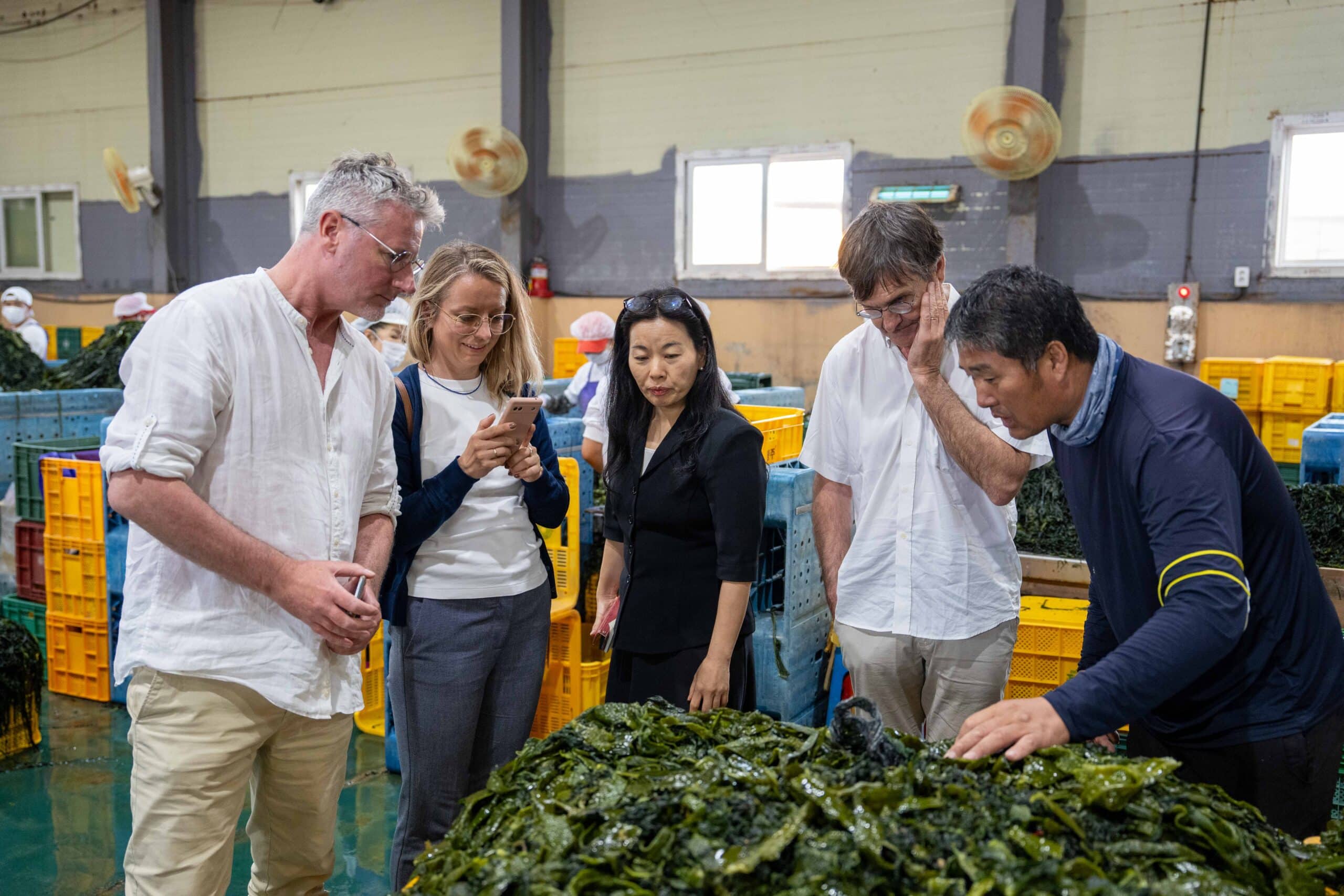
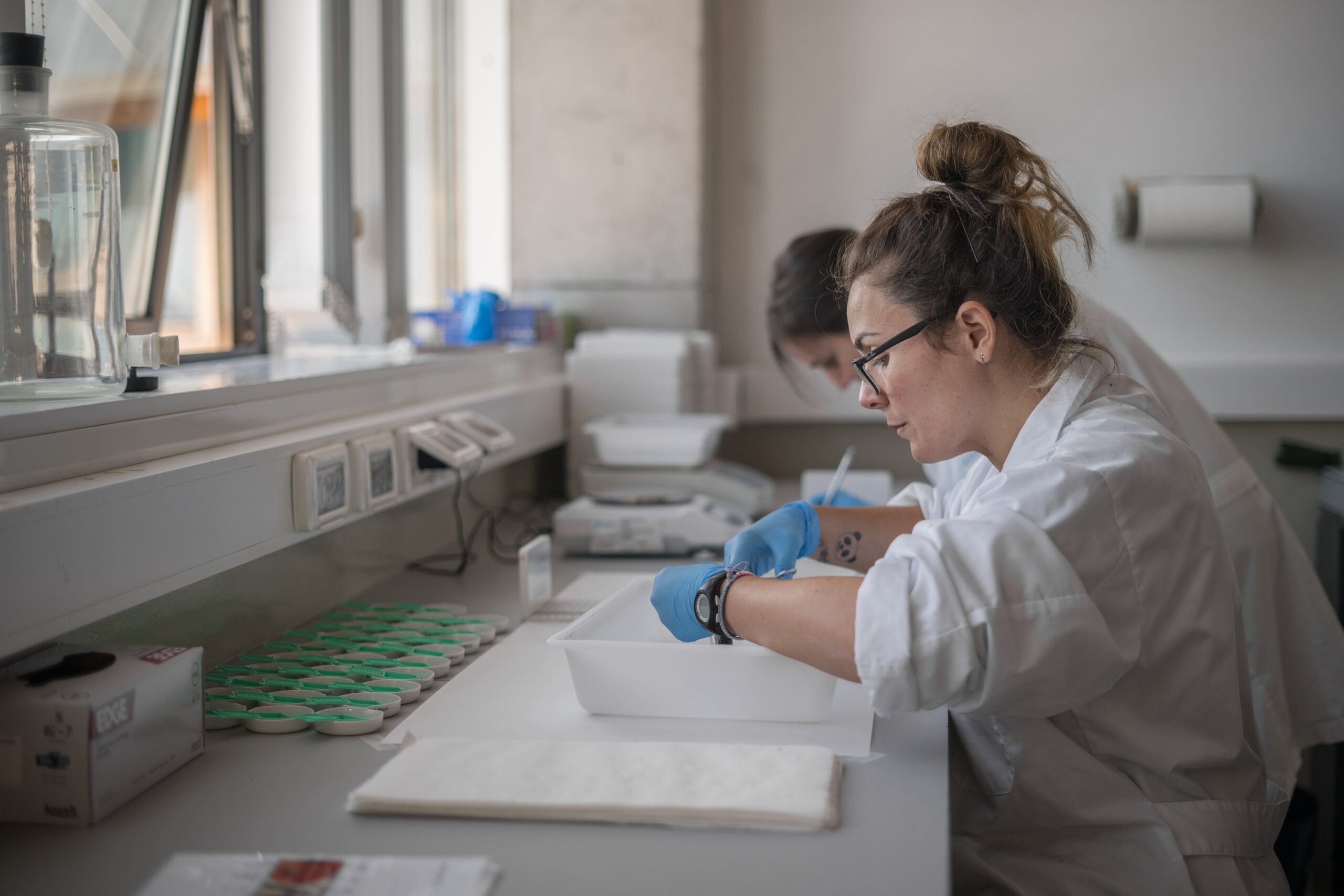
EMBRC illustrates how this model works. Through a distributed network of marine stations and institutes, it provides experimental facilities in every major regional sea in Europe, except the Black Sea. This geographic spread allows scientists to work directly within diverse marine environments, observe ecosystems in real conditions, collect samples, study cultured organisms, and conduct experiments using advanced and specialised technologies.
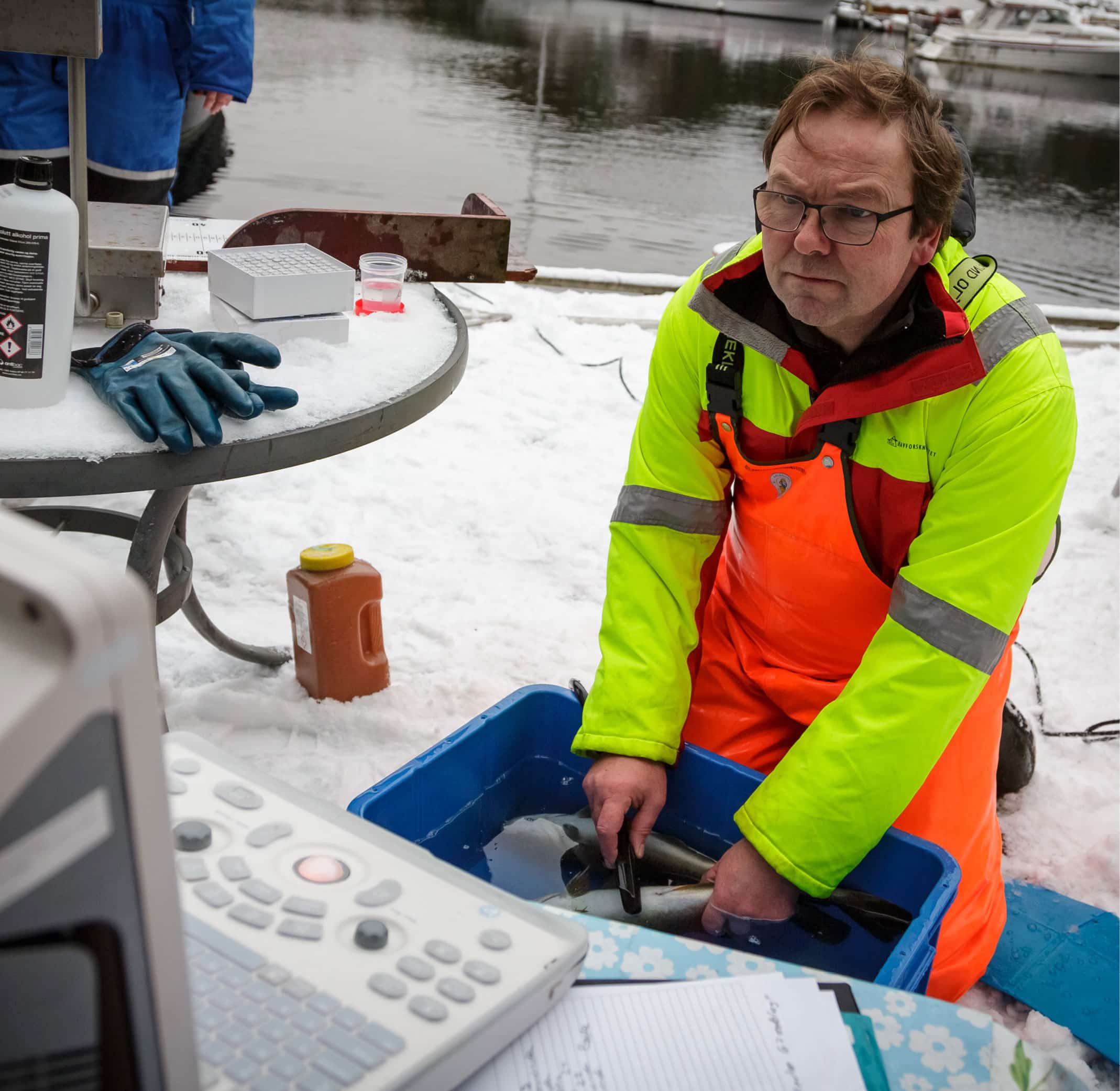

Crucially, these capacities are shared. Many EMBRC users—early-career researchers and scientists from the private sector—would not otherwise have access to such facilities or expertise. Coordinated access mechanisms, supported by EU funding programmes, enable researchers to work across borders, test new ideas, and generate preliminary results that often serve as a springboard for larger projects and investments. “They leave better equipped and having networked with new researchers,” says Pade.
Beyond infrastructure, human expertise is key. EMBRC’s facilities are supported by highly specialised staff with decades of experience. “We’re not just a collection of physical facilities or technologies,” says Pade. “They are all manned and equipped by very, very talented people who have spent 10, 15, or even 20 years working on these technologies or organisms.” With their support, visiting researchers can optimise instruments or tweak procedures to get the very best out of their experiments.
We’re not just a collection of physical facilities or technologies. They are all manned and equipped by very talented people who have spent 10, 15, or even 20 years working on these technologies or organisms. With their support, visiting researchers can optimise instruments or tweak procedures to get the very best out of their experiments.
This highly specialised human expertise represents a long-term strategic asset. By sustaining teams with such deep, cumulative knowledge, Europe preserves capabilities that cannot be rebuilt quickly once lost—and ensures they are shared across borders, sectors, and generations.
Together, shared facilities, coordinated access, and embedded expertise allow research infrastructures to accelerate scientific progress while avoiding duplication and fragmentation—turning collective investment into concrete results.
By enabling coordination at scale, research infrastructures strengthen Europe’s capacity to act decisively in strategically important domains. Fields such as aquaculture and bioprospecting clearly illustrate this impact. Both sit at the intersection of environmental sustainability, economic development, and food security, and both require rapid yet responsible research. Infrastructures like EMBRC allow Europe to innovate while ensuring that marine ecosystems continue to thrive and provide essential services. “These sorts of investments are not trivial, and need to happen quickly,” says Pade.
Data generated by RIs further extends Europe’s influence. Often made available as Open Access, these datasets support scientific discovery, industrial innovation, and evidence-based policymaking. As neutral, non-political bodies, RIs can also provide a strategically valuable hub for collaboration. “We can interact with countries all over, regardless of policy,” says Pade.

EMBRC’s Data & e-Infrastructures Working Group
EMBRC promotes Open Science by ensuring marine research data follow FAIR principles, maximising long-term value and accessibility. Through WGel, EMBRC coordinates data expertise to strengthen standards, collaboration, and effective use of data.

Research infrastructures also help shape international standards and norms. “This ensures not only our own sovereignty, but that we can also be a lighthouse for how research should be done globally: it should be open, have ethical limits, and follow certain values and principles.” In a fragmented global landscape, this combination of coordination, openness, and trust positions Europe as both a scientific and strategic leader.