eDNA by Citizens: Mobilising Europe to Explore Marine Biodiversity
In an effort to monitor and protect marine biodiversity, ANERIS — an EU project developing tools for sensing marine life in which EMBRC is a partner in — launched a citizen science campaign “eDNA by Citizens” to collect environmental DNA (eDNA) samples from coastal waters and sediments. This activity aimed to expand and strengthen scientific observation networks by engaging local communities and deploying participative, advanced, low-cost technology.
The campaign mobilised citizen scientists across 8 European countries — Sweden, Finland, France, Portugal, Spain, Italy, Greece and Belgium. The participants used sampling kits and analytical tools co-developed by ANERIS partners, HCMR and VLIZ (both EMBRC marine sites), with contributions from BIOPOLIS and CSIC. Several EMO BON (EMBRC’s observatory for marine genomic biodiversity) marine stations — including SBR (France), UMF (Sweden), TZS (Finland), PiE and UVigo (Spain), SZN (Italy), and CIIMAR (Portugal) — also took part and brought marine observation capacity that complemented and strengthened the generated data.
Over two days, volunteers collected seawater and sediment samples following structured protocols. Each site hosted two teams (one for water, one for sediment), each collecting five samples to ensure robust coverage.
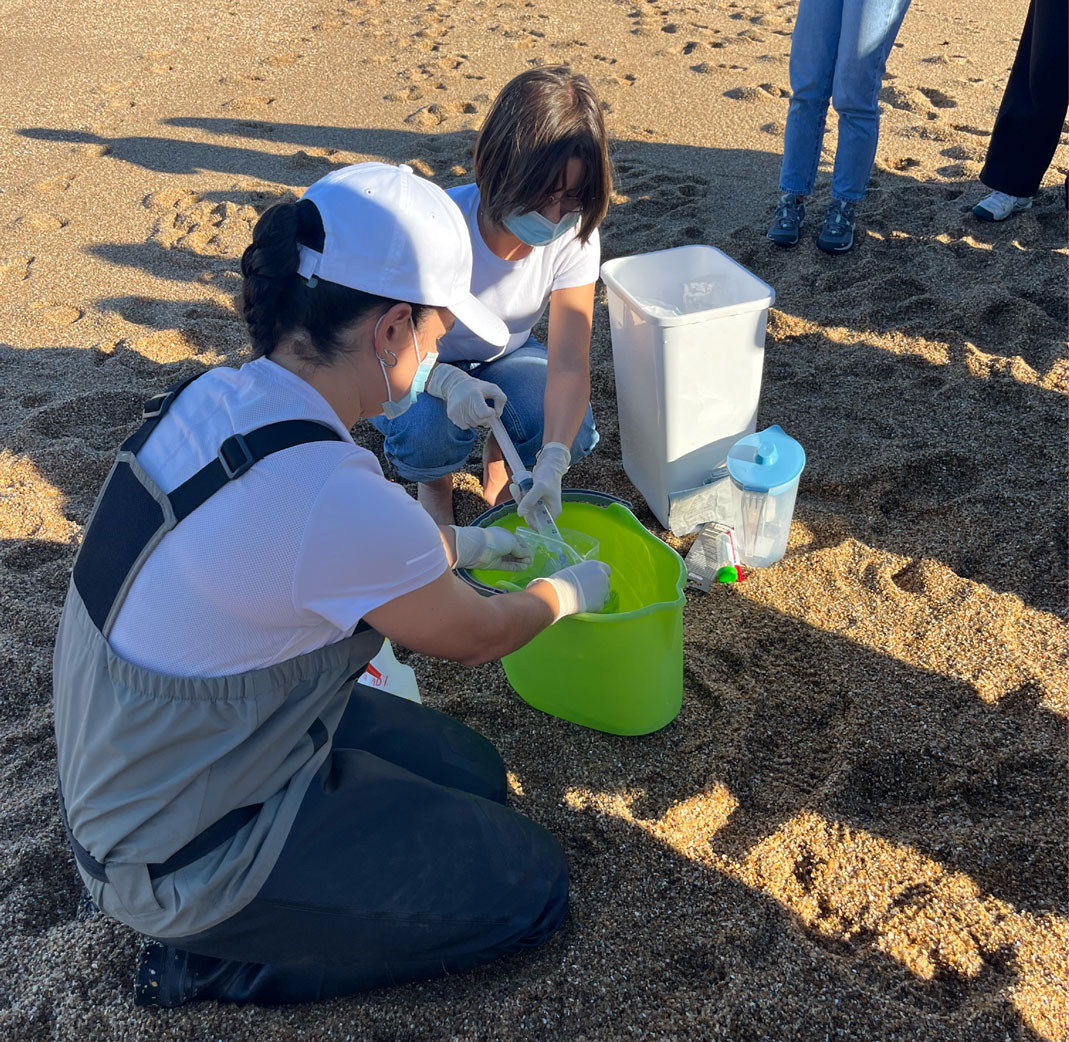
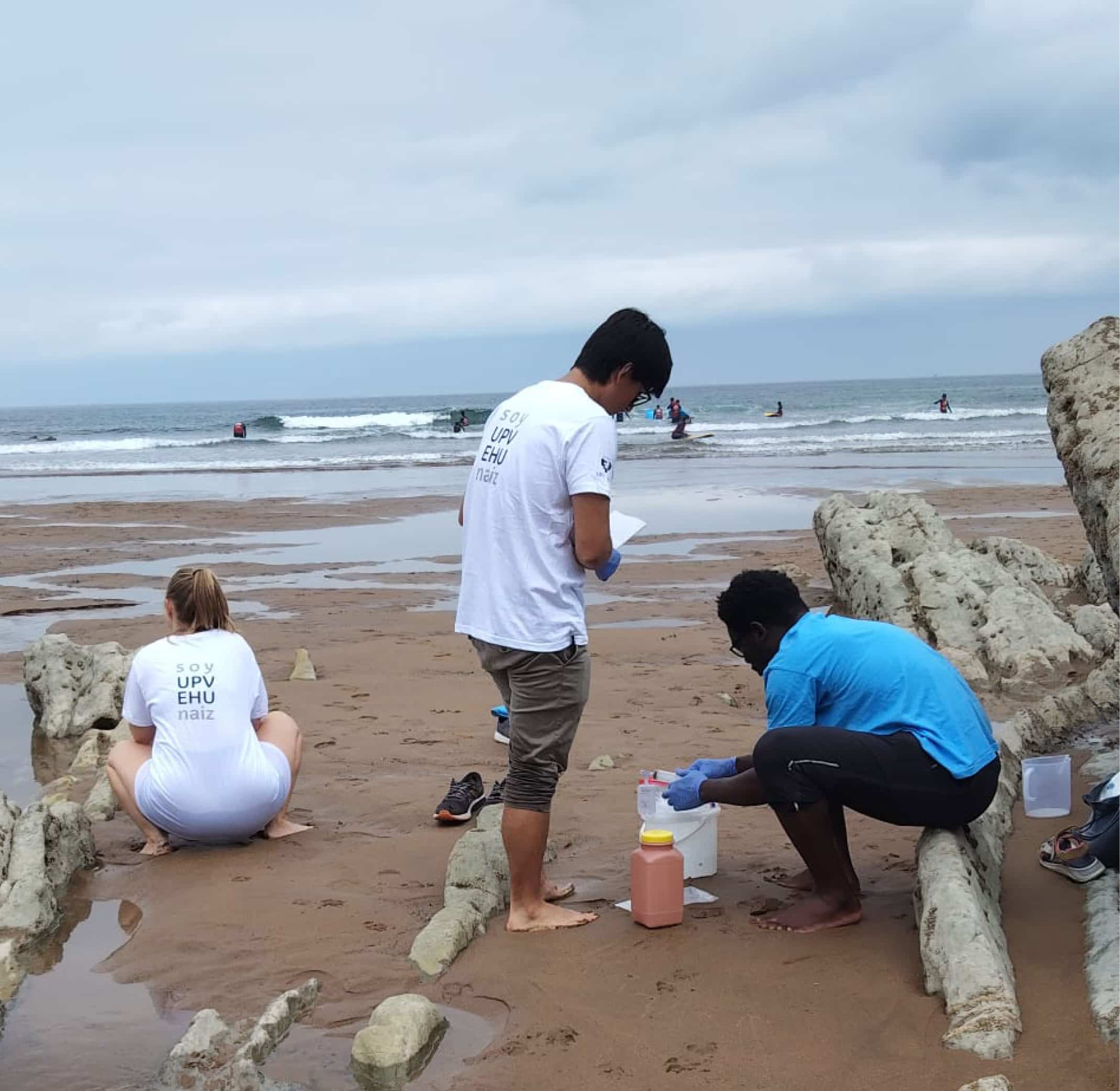
In preparation for the scientific sampling activity, EMBRC developed a multilingual training session “Exploring Marine Biodiversity: A Citizen’s Guide to eDNA in marine environment” hosted onto its Marine Training platform, to equip participants for the citizen science campaign. These trainings aimed to provide volunteers with the skills required to carry out accurate and standardised sampling.
The campaign aimed to test several advanced genomic tools developed within the ANERIS project (nanomics, SLIM 2.0 and MARGENODAT) to improve the spatial and temporal resolution of marine biodiversity monitoring. These technologies allowed researchers to detect demersal fish communities in seawater, and macrobenthos communities in sediments including polychaetes, oligochaetes, bivalves, and other organisms living in the seabed that are usually sampled as part of the EMO BON sampling campaigns. The tools further enabled monitoring of non-indigenous species and study of species genetic diversity.
EMO BON brings together decades of marine biodiversity knowledge and experience under one coordinated network of observatories.
This network is made up of long-established and newly developed marine observation stations in Europe. These stations regularly collect marine genomic data to fill gaps in ocean observation and better understand biodiversity.

The sample analysis is now underway, and will contribute to a richer understanding of coastal ecosystem health and demonstrate how coordinated citizen participation can support next generation genomic biodiversity observation across Europe.
ANERIS receives funding from the European Union’s Horizon Europe research and innovation programme under grant agreement No 101094924. Views and opinions expressed are however those of the author(s) only and do not necessarily reflect those of the European Union or the European Commission. Neither the EU nor the EC can be held responsible for them.