From Europe to Asia: how researchers are boosting the Blue Economy through seaweed science
Seaweeds are a promising but underdeveloped resource within the European bioeconomy. Here’s how France and Korea are working together to boost the sector.
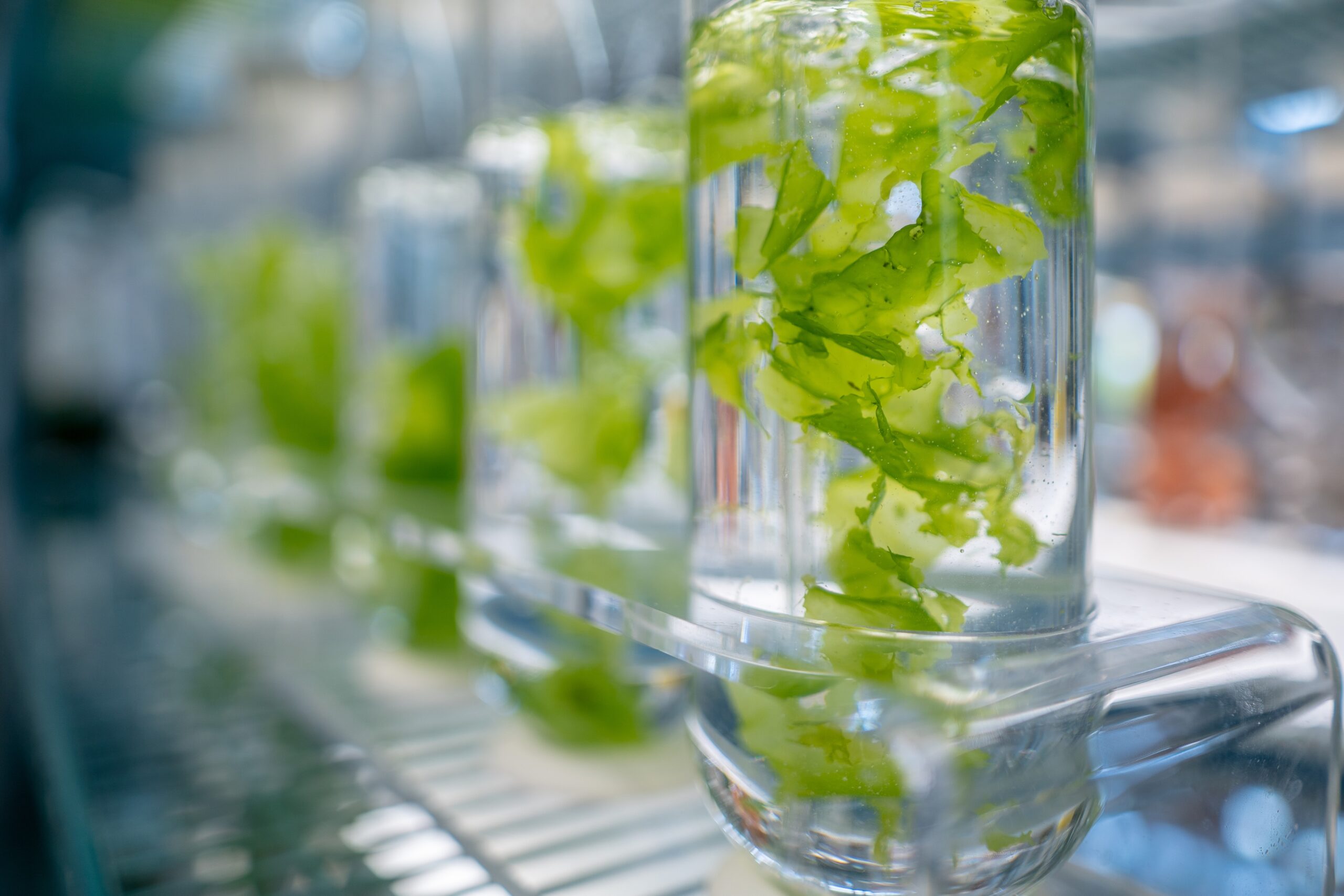
Although they often receive less attention than other marine life, seaweeds and algae are instrumental in keeping ocean ecosystems healthy, and transitioning to a sustainable Blue Economy. Many Asian societies have embraced the economic potential of seaweed and Europe’s research is world-leading, although its seaweed industry is in its infancy.
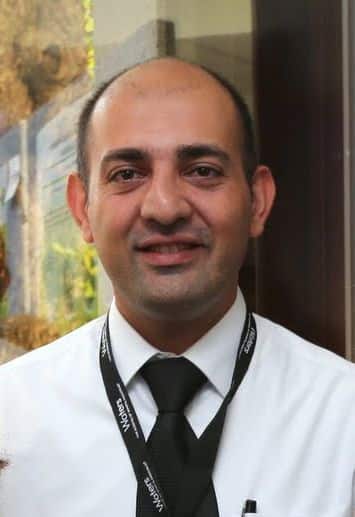
To learn how Roscoff Marine Station (EMBRC France) and the Korea Institute of Ocean Science and Technology (KIOST) are helping each other advance in this field, we spoke with Dr Gavin Fox from Roscoff and Dr Duckhee Jang at KIOST’s Future Strategy Research Centre.
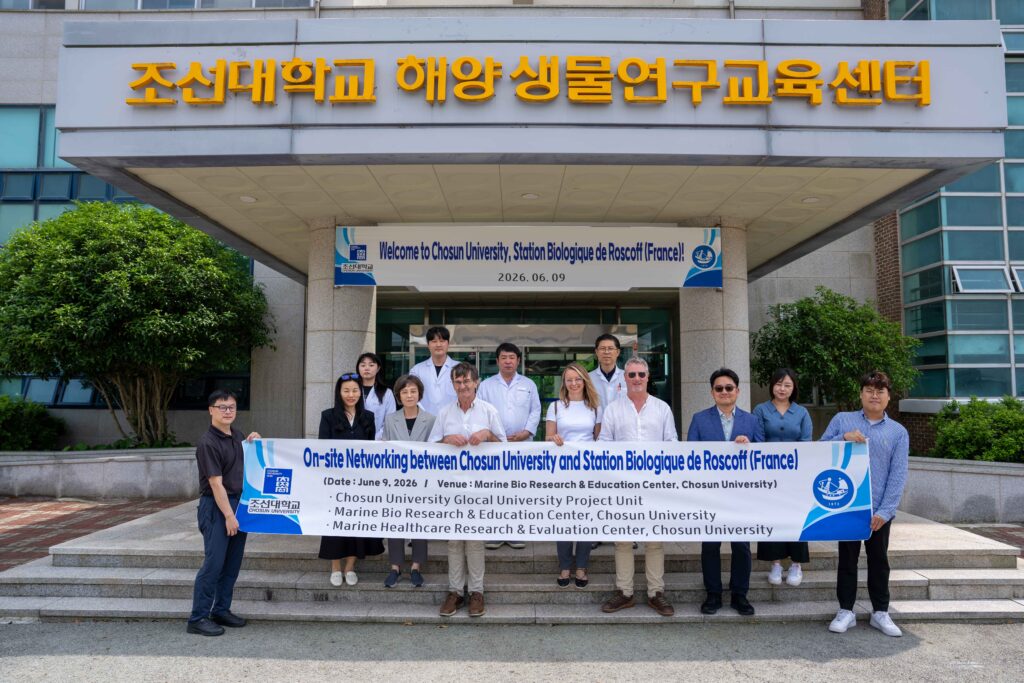
Fox: “Macroalgae are among the most important organisms in coastal seas. They provide habitats for entire marine ecosystems, cycle nutrients, and lock in carbon. Their strategic significance as an underdeveloped resource for Europe’s future Blue Economy is now widely recognised, but we still understand relatively little about their biology and resilience in the face of accelerating threats.”
Jang: “At the same time, large seaweed beds provide habitats for juvenile fish and shellfish, which can support fisheries. They can also act as eco-friendly, nature-based solutions for coastal protection by dissipating wave energy and helping to stabilise the seabed.”
Jang: “Korea and other East Asian countries have long used seaweeds – such as wakame, kelp, and laver – as food and industrial resources. Korea has been developing commercial cultivation for major seaweeds since the 1950s. Now, seaweed is attracting attention for its blue carbon and carbon neutrality potential.”
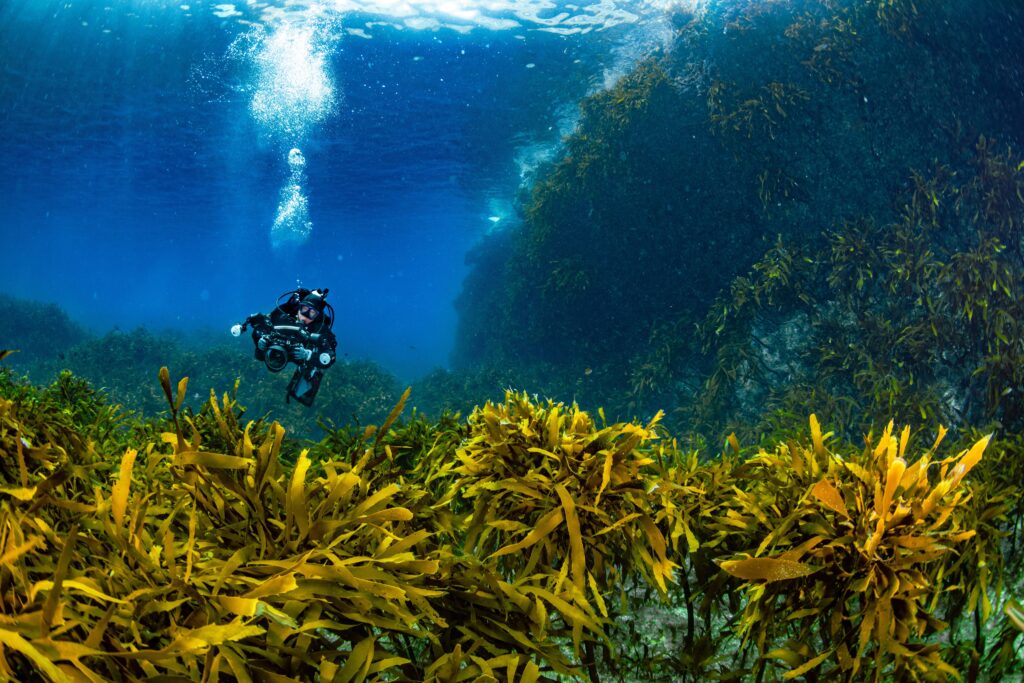
Fox: “Seaweed is emblematic of the Brittany region. The northwest coast of France is home to one of the last extensive primordial kelp forests on the European continent but this is increasingly threatened by stressors including climate change.
Europe currently imports a large proportion of seaweed-derived products, but the EU Commission is implementing a strategy to significantly expand domestic production and innovation. There is immense potential for growth.”
Jang: “KIOST conducts a wide range of research in this sector. For example, many of our researchers are working on improving the sustainability of existing seaweed aquaculture, and exploring new seaweed bioresources, including genetic resources, proteins, and natural compounds that may contribute to climate resilience.”
Fox: “Seaweed research at Roscoff spans multiple scales, from genes and genomes to modelling complex ecological interactions and systems biology. Roscoff’s marine station maintains biobanks and the largest public collection of marine biological cultures in the world. These unique collections preserve genetic diversity and enable the discovery of high value traits linked to resilience, productivity, disease resistance, and novel compounds.”
Fox: “Seaweeds represent one of the most promising but underdeveloped resources within the European bioeconomy. They offer a win-win opportunity to combine environmental sustainability with economic growth.
Sustainable growth of this sector has the potential to create highly skilled jobs, diversify coastal economies, and position France as a leader in the emerging European Blue Bioeconomy.”
Jang: “Seaweed can be cultivated in marine spaces without requiring large areas of farmland or freshwater, unlike land-based agriculture. Seaweed aquaculture technology in Korea has already reached a mature stage, and an industrial ecosystem connecting mass production, processing, distribution, and export has already been established.”
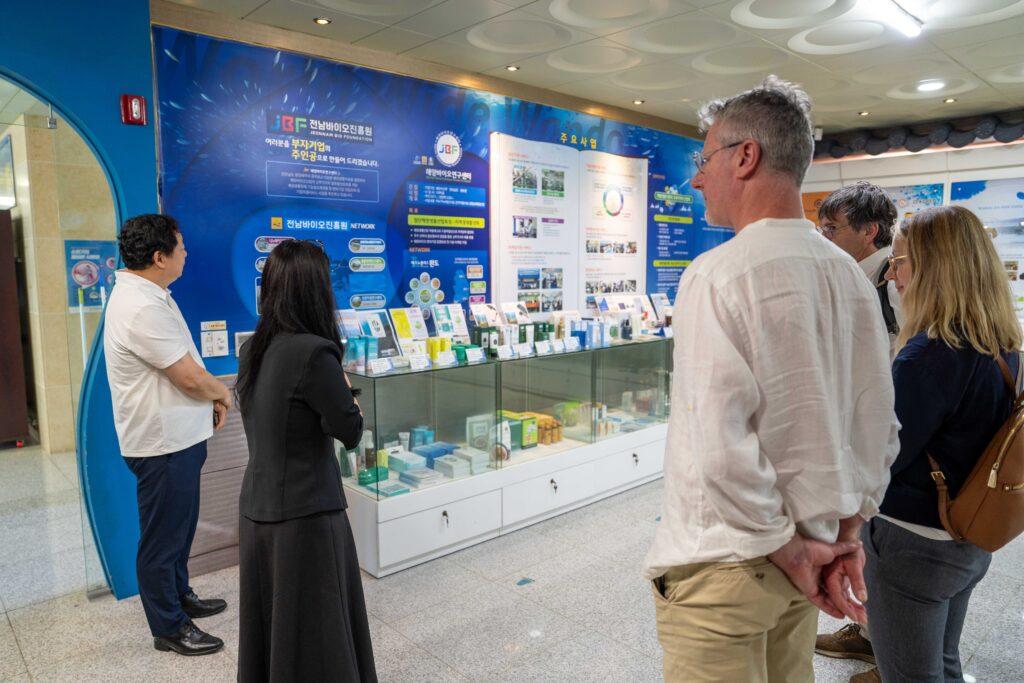
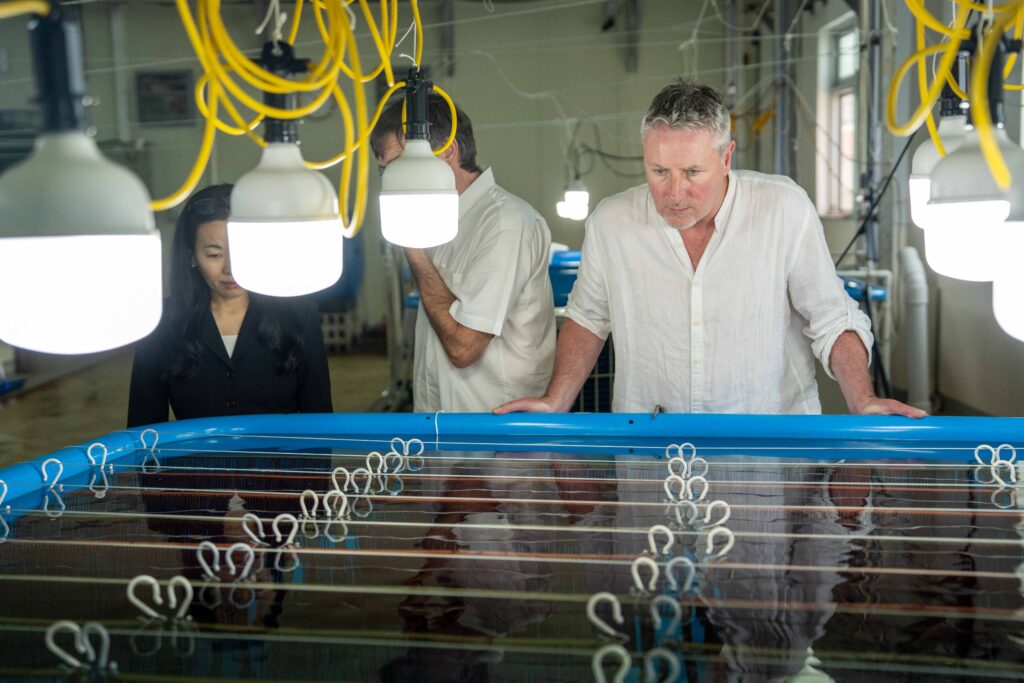
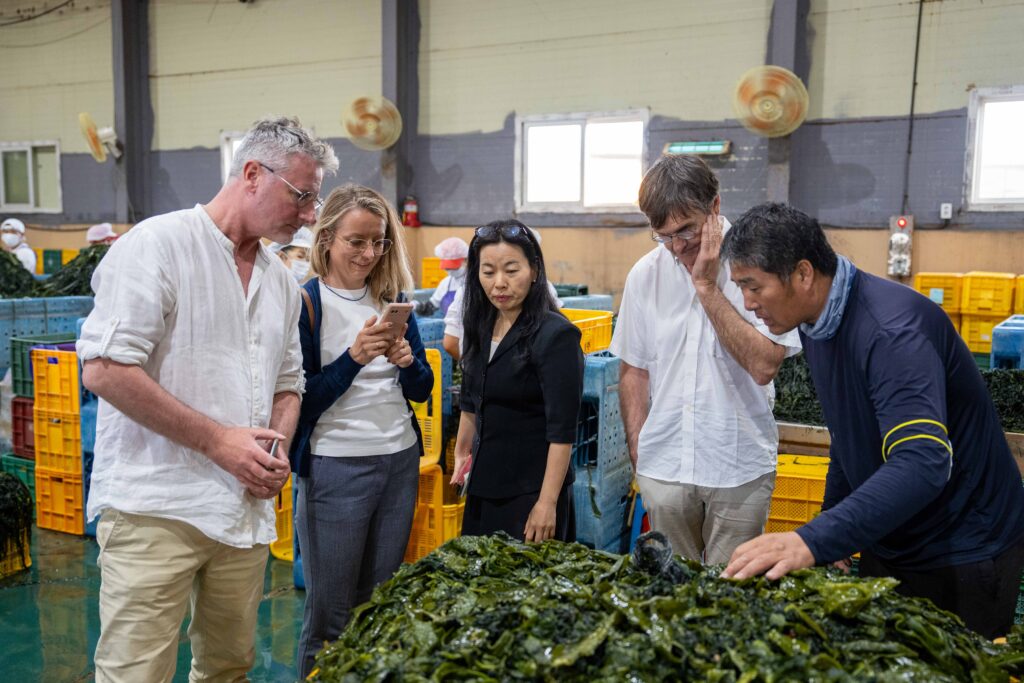
Jang: “Until now, seaweed has mainly been discussed from the perspective of food and aquaculture, but one of its strengths is that it is not limited to a single purpose. Its applications are expanding into a wide range of marine bio-based products and materials, including cosmetics, pharmaceuticals, feed, fertiliser, potential biofuels and other environmentally friendly materials.
Fox: “Worldwide, seaweed already supports a wide spectrum of economic activity and industries, but its economic potential is far greater than current levels suggest. New opportunities are emerging in functional plant-based foods, nutraceuticals and regenerative aquaculture. This makes them a strategic resource and driver of the blue bioeconomy.”
Jang: “The impacts of large-scale cultivation on ecosystems, nutrient cycles, and habitat structures need to be fully understood and managed. Climate-resilient varieties, stable cultivation technologies, and long-term monitoring systems are needed.”
Fox: “Climate change is the greatest overall challenge. Rising sea temperatures, marine heatwaves, changing ocean chemistry, and shifting species distributions are affecting many important species and leading to worrying losses of native seaweed beds.
Asia farms 99% of the global marketed seaweed, and produces 34.7 million tons annually worth 14.85 billion USD, but Europe’s industry – despite offering ideal cultivation conditions – is mostly run by startups. The European sector’s development faces challenges such as high production costs, limited infrastructure, knowledge gaps, and regulatory hurdles. Addressing these requires long term investment and international cooperation.”
Jang: “Environmental and economic issues are all connected across national borders. By combining Korea’s experience in seaweed aquaculture and industrialisation with European research capacity, we can jointly advance scientific understanding, industrial applications, and policy discussions.”
Fox: “Korea is a global leader in seaweed cultivation, industrial applications, and aquaculture innovation, while Roscoff is an internationally recognised centre of excellence in macroalgal research. By bringing together these forces, we hope to create opportunities for scientific advances that will support economic development and strengthen coastal resilience. We’re particularly excited about sharing genetic resources, bioinformatics pipelines, aquaculture knowledge, and emerging genomic technologies.”
Fox: “Roscoff has long played a leading role in bringing together global seaweed researchers, policymakers and other stakeholders, for example through our coordination of the Global Seaweed Coalition. The recent launch of the CNRS-funded International Research Network BoBada has further strengthened links between France and Korea.
Climate change, biodiversity loss, habitat degradation, invasive species, and diseases do not respect national borders and no single country has all the expertise required. Progress depends on sharing knowledge and global collaboration. Research Infrastructures such as EMBRC are essential. By providing access to biological resource collections, cutting-edge experimental facilities, omics technologies, long-term ecological monitoring programmes, and European networks, they support research needed to address environmental and societal challenges.”
Jang: “KIOST has developed a strong satellite-based ocean observation capability. For example, Korea’s national ocean-colour satellite sensors – including GOCI-I and GOCI-II on the Cheollian satellite series – are operated and managed by KIOST for marine monitoring and provide high-resolution observations of the waters around the Korean Peninsula. Through satellite image analysis and specialised algorithms, these observations can help detect large-scale harmful algal blooms and macroalgal accumulations, and assess potential risks to aquaculture and coastal ecosystems.
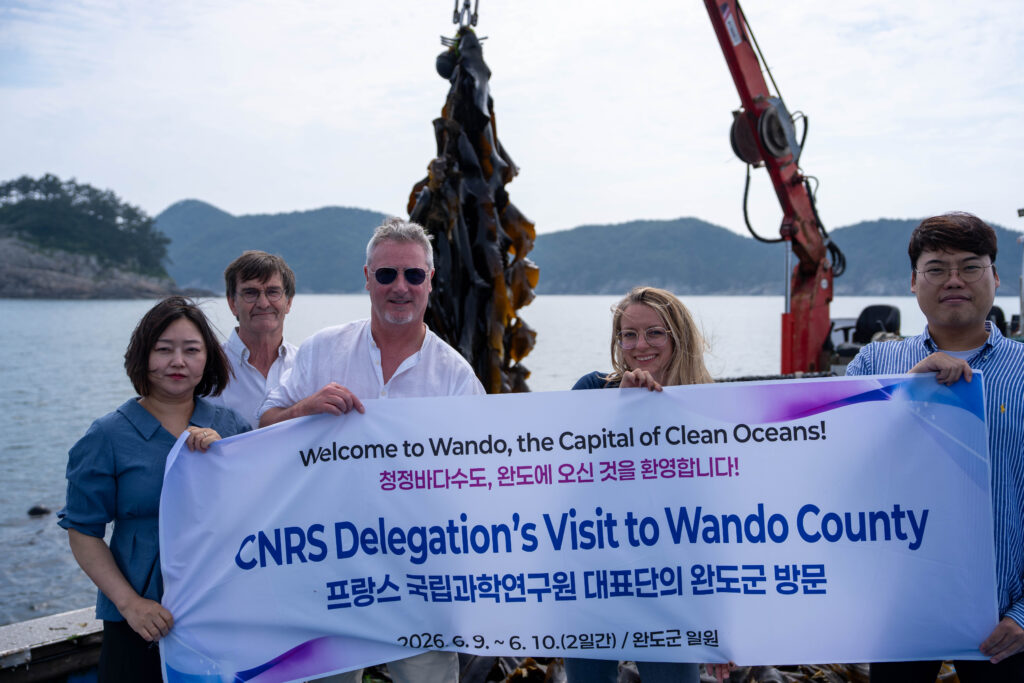
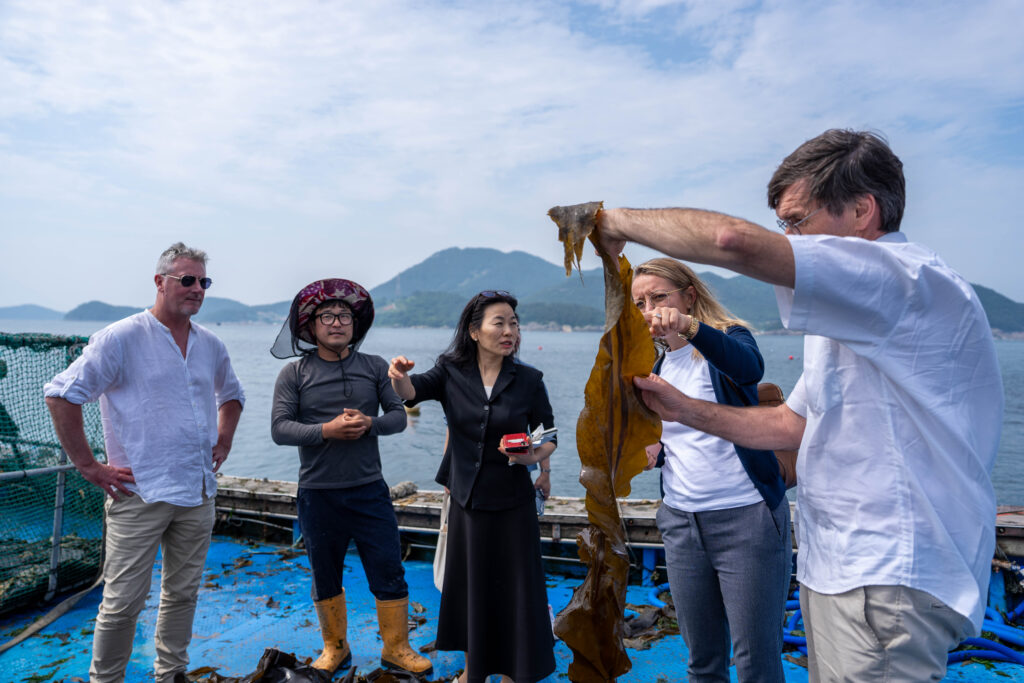
Building on these capabilities, the DITATA Research Network project, funded by the National Research Foundation of Korea (NRF), focuses on an integrated platform of low-cost technologies and digital tools for marine ecosystem and biodiversity monitoring. It is expected to support the integration of research tools and the expansion of research networks between Korea and France. Last June several Roscoff researchers visited KIOST for networking, seminars and discussions around areas of future long-term collaboration. KIOST researchers plan to visit EMBRC in Paris and IMEV in Villefranche-sur-Mer later this year.”
Jang: “What matters most is not simply the potential of seaweed, but how to use it sustainably based on scientific evidence. To do this, we need ecological understanding, stable production technologies, industrialisation strategies, policy support, international standardisation, and long-term cooperation.”
Fox: “Seaweeds sit at the intersection of critical biodiversity conservation, climate resilience, food security, biotechnology, and the Blue Economy. Few biological resources offer such a unique opportunity. Through the latest science, international collaboration, and access to leading research infrastructures, Europe has the opportunity to become a global leader in this blossoming sector for future generations.”