Supporting marine research and innovation through culture collections
Why EMBRC’s culture collections are so important, who uses them, and what role they play in advancing marine science
At the heart of marine research and innovation, culture collections represent one of EMBRC’s most accessed service categories, providing access to a diverse range of marine organisms. These biological resources support everything from fundamental research to applied innovation in sectors such as aquaculture, biotechnology and renewable energy.
Used by researchers and private-sector organisations across Europe, including strong user communities in Norway, France, Denmark and Germany, culture collections continue to play an important role in advancing marine science and innovation.

A Q&A with Davide Di Cioccio, EMBRC Access Unit Manager
Davide Di Cioccio is Access Unit Manager at EMBRC (European Marine Biological Resource Centre) in Paris, where he coordinates the delivery of marine biological and ecological research services across 10 member countries. He leads the operational management of several European transnational access programmes (AQUASERV, AGROSERV, IRISCC), making specialized marine resources accessible to the international scientific community.
Culture collections can be considered “botanical gardens of the sea”, preserving a diverse range of marine organisms, from microscopic bacteria and microalgae to larger macroalgae and seaweeds.
They provide essential biological material for comparative and evolutionary studies, while also enabling research in biotechnology, with applications in areas such as renewable energy, pharmaceuticals, and aquaculture.
Access to standardised biological material ensures that scientific studies are reproducible and comparable. This is essential for gaining reliable insights into marine biological processes, ecological interactions, evolutionary patterns, and the impacts of climate change and pollution.
Many of these organisms are difficult for individual researchers to access. Without EMBRC’s services, scientists would face significant barriers to carrying out their work.
EMBRC’s culture collections have supported a wide range of scientific applications in the last years. Researchers used them for marine observation, applied research, and training, as well as for exploring new biotechnological solutions.
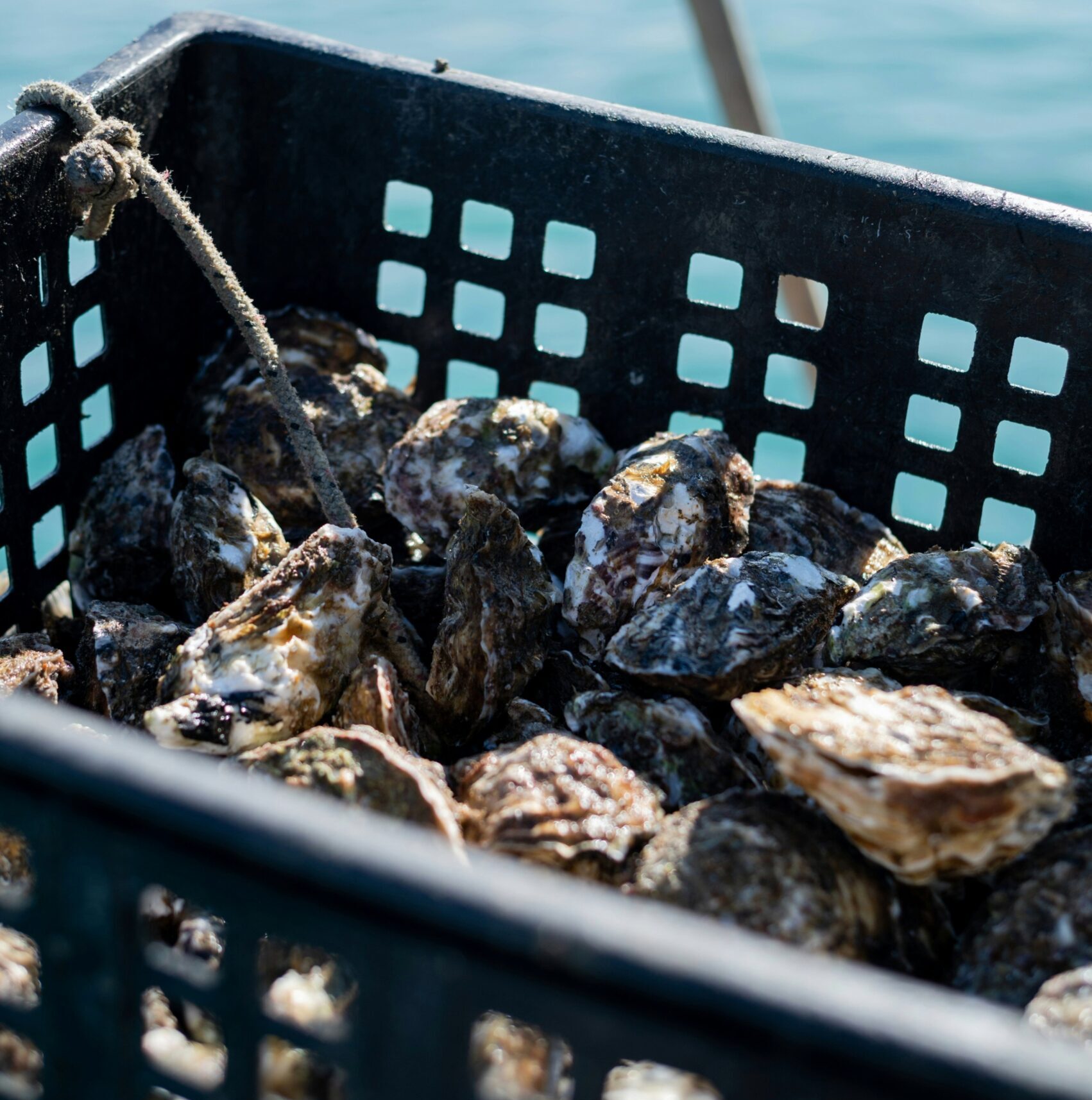
One growing area of demand is sustainable aquaculture, where culture collections play a key role, particularly in the study of bivalves.
EMBRC’s collections are internationally recognised and include:
- The Roscoff Culture Collection (RCC), EMBRC France
- The Norwegian Culture Collection of Algae (NORCCA), EMBRC Norway
- The Spanish Bank of Algae (BEA), EMBRC Spain
These infrastructures provide reliable, high-quality biological resources that underpin both research and innovation.
Culture collections, the ‘botanical gardens of the sea’, help researchers make progress in areas like renewable energy, aquaculture, and understanding the impacts of climate change and pollution.

By providing access to unique and standardised marine biological material, EMBRC’s culture collections play a vital role in supporting reproducible science, enabling discovery, and driving innovation. As demand continues to grow across both research and industry, these “living libraries” remain essential infrastructure for understanding and sustainably using the ocean.